
Why the name says Pros
The People Who Sell It Are the People Who Install It
Every shop in this network runs its own installation crews. Not a sub you've never met, not a name off a list—the same business that sold you the fireplace fits it, pulls the permit, and answers the phone about it next winter.
The problem this solves
Nobody Owns the Problem
A fireplace goes wrong in a predictable way, and it almost never goes wrong on the day it's installed. It goes wrong the following November, when the pilot won't hold or the blower rattles or the glass ghosts over—and by then the shop points at the installer, the installer points at the manufacturer, and you're the one making phone calls.
That happens because most of the trade splits the sale from the install. A big box sells the box. A subcontractor fits it. Neither of them expects to hear from you again.
Every shop in this network does both. That's the entry requirement, and it's the entire reason this site is called what it's called. It's a narrower claim than most fireplace marketing makes, and a much harder one to fake—the crew in your living room has the same name on their shirt as the sign on the showroom.
What the shop handles
- The permit. Utah jurisdiction varies by city and county; they pull the one your address needs.
- The venting. Run, termination, and clearances—the part that most often gets done wrong.
- The gas line. Sizing and connection, or the coordination if a plumber has to be involved.
- The finish. Framing, facing, mantel height, and the trim that makes it look built-in rather than dropped in.
- Next winter. Service on their own installation, by the people who did it.
What that means for you
One number to call. One business accountable for the whole thing—the unit, the fit, and the years after. If something isn't right, there is nobody for them to point at.
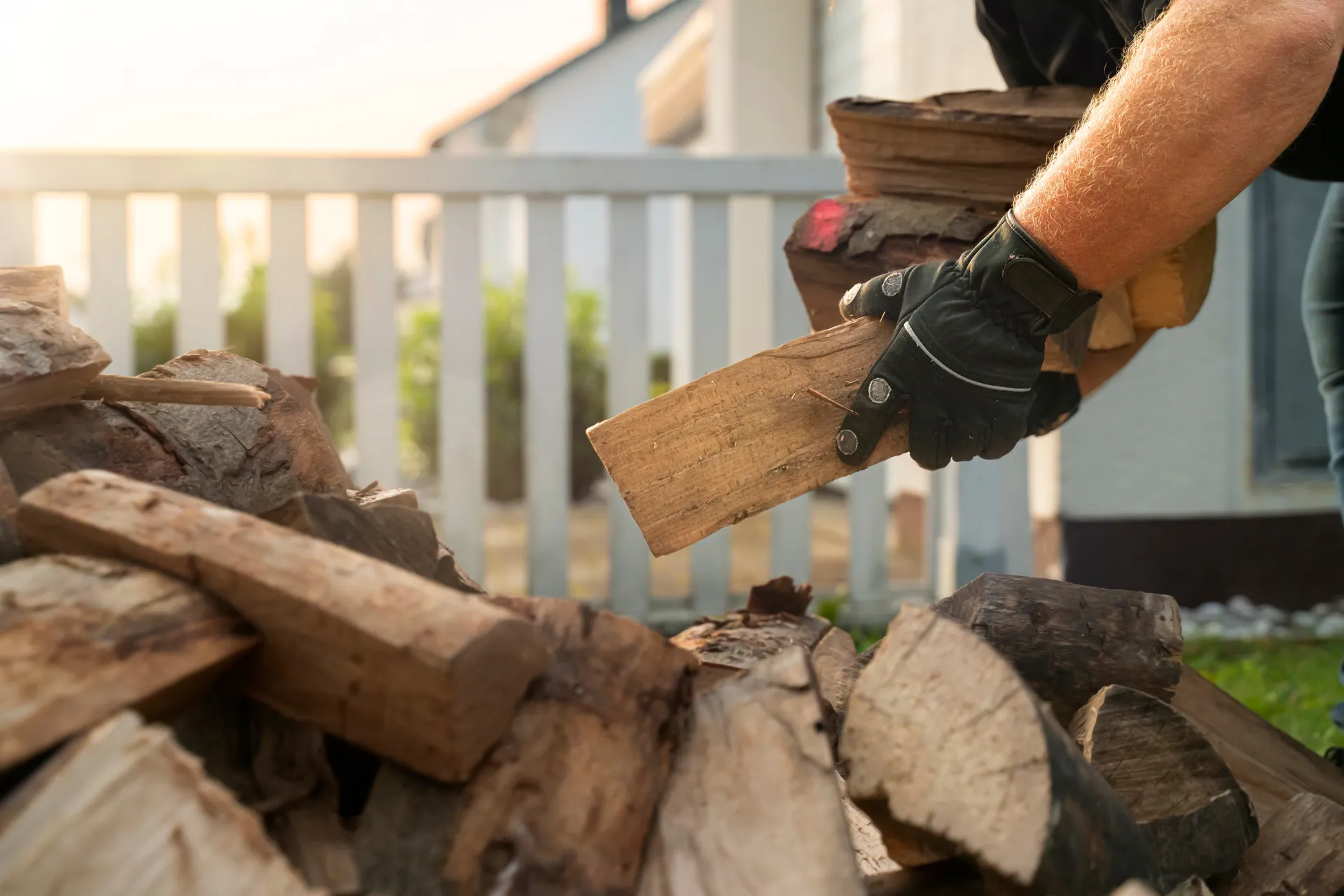
One name on the truck, the shirt, and the invoice.
What actually happens
From Showroom to First Fire
They See the Room
Either you bring photos and measurements to the showroom, or they come out. Venting route and gas access decide more than the model does.
You Get One Quote
Unit, venting, labor, and finish work in one number—not a unit price with the real cost arriving later.
Permit and Schedule
They pull the permit for your jurisdiction and book the crew. Most straightforward installs are a day.
They Light it with You
First fire happens with the installer standing there, walking you through the controls and the first-burn smell.
Utah-specific
Three Things That Are Different Here
Altitude, air quality, and jurisdiction all change the answer—which is why this site starts with where you live rather than what you like.
Altitude changes the appliance
There are 4,400 feet between St. George and Park City. High-altitude orifice conversion is a real requirement, not an upsell—and a shop that installs at 7,000 feet already knows it.
Red air days are law, not weather
Wasatch Front inversion brings mandatory no-burn days. It shapes which fuel makes sense for your house, and a local shop knows your county's rules.
Permits are local
Jurisdiction changes street to street along the corridor. The shop that works your area every week knows which office to file with.
Ready when you are
Start With Your Zip Code
It's the fastest way to reach the crew that would actually do the work. One shop, not a bidding pile.
Fair questions
About Installation
Do all of these shops really install?
Yes—it's the requirement for being in this network at all. Every one runs its own crews rather than handing the work to a subcontractor. If a shop didn't install, it wouldn't be listed here.
How long does a fireplace installation take?
Most straightforward jobs are a single day: a gas insert into an existing masonry opening, or a direct-vent unit where the venting run is simple. Adding a fireplace to a wall that has never had one—new framing, a new vent penetration, a new gas line—is usually two to three days, and longer if there's stone or tile work behind it.
Do I need a permit for a fireplace in Utah?
Almost always, and which office issues it depends on your address rather than your city name—jurisdiction along the Wasatch Front changes street to street. The shop pulls it as part of the job. That's one of the practical reasons to use a business that works your area every week.
Can they install a fireplace I bought somewhere else?
Some will and some won't, and it's a fair question to ask up front. Many shops limit installation to units they sell, because that's what their warranty and their service commitment covers. If you already own a unit, say so on the first call rather than the last.
What about high altitude?
Above roughly 4,500 feet many gas appliances need a high-altitude conversion—different orifices for thinner air. It's routine work, but it has to actually be done. A shop installing in Park City or Heber does it as a matter of course; that's a real advantage of buying where you live.
Who do I call if something goes wrong later?
The shop that installed it. That's the whole design of this network—the business that sold you the fireplace fitted it and services it, so there's no gap between three companies for your problem to fall into.
Have Them Come See the Room
Book an appointment with the shop that serves your street—showroom visit or in-home.