
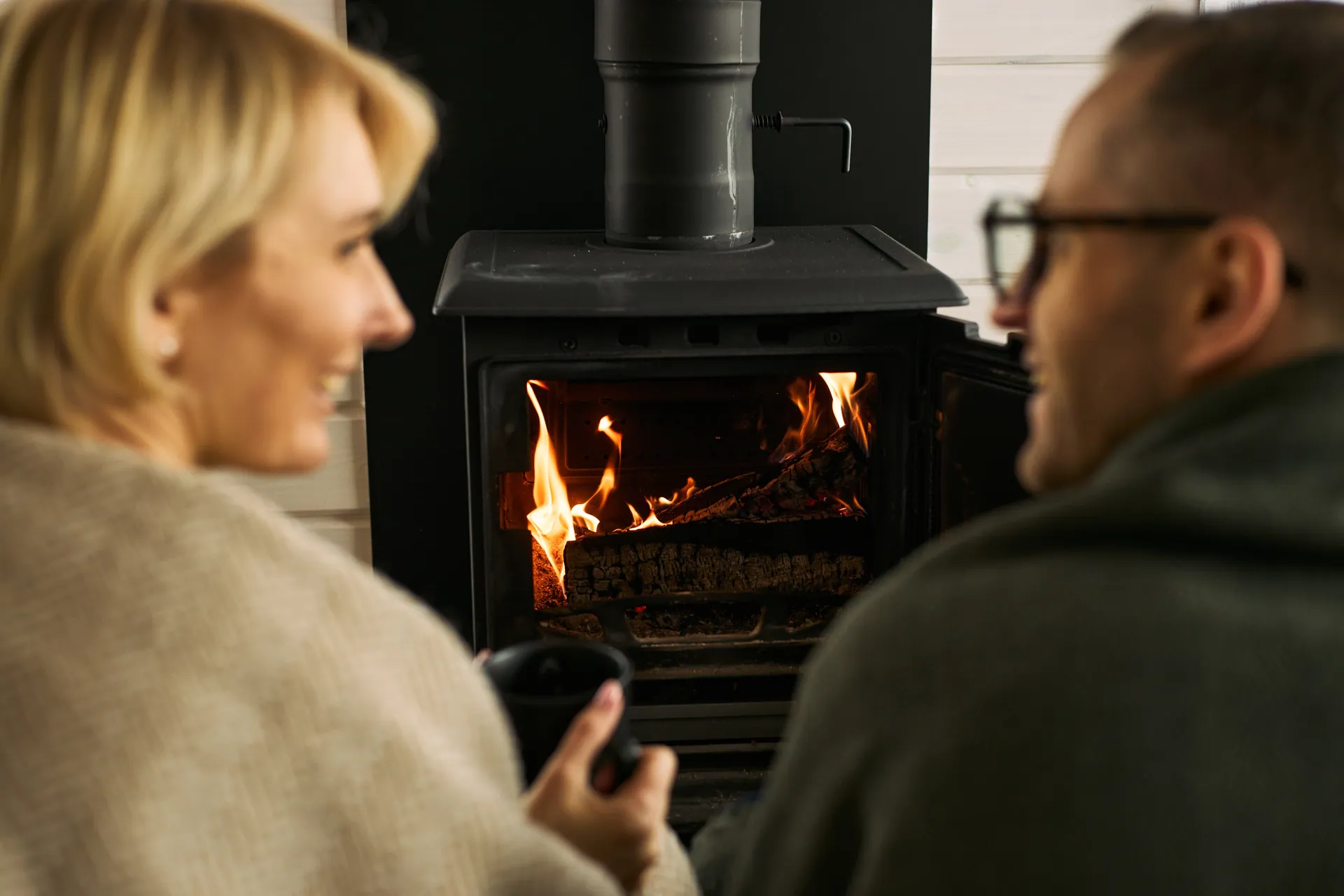
Indoor · wood
Wood Stoves in Utah
The most heat you can get out of wood, anywhere a vent can reach—and it does not care whether the grid is up.
The product browser didn't load
It's a third-party tool and it isn't responding right now. Everything it shows is also on this page—keep scrolling for the full list, or go straight to your local shop, who can walk the whole range with you.
Concept
The short answer
A wood stove stands out in the room on legs or a pedestal, vented through a pipe that can run up through the roof or out a wall. Because the whole body radiates into open air rather than sitting inside masonry, it is usually the most heat available from any fuel—and it needs no gas line and no electricity, which is why it is the standard answer for a Utah cabin or canyon home.
In plain language
Why a Stove Out-Heats Everything Else
The physics is simple and it decides the category: surface area in open air. Everything else here follows from that.
- It radiates from every side
- A built-in appliance loses part of its output into the wall around it. A stove in the middle of a room puts heat off its top, sides, back, and flue pipe. Same firebox, more of the heat reaching you—which is why a stove is normally the maximum-output option in any line-up.
- EPA-certified, air-tube design
- These burn the smoke as well as the wood, running past 70% efficiency. The units here are air-tube rather than catalytic: no combustor to replace on a schedule, fewer consumables, and less to get wrong over a long service life.
- Hearth pad and clearances
- A stove needs a non-combustible pad underneath and measured clearances to walls and furniture. Rear-shield and corner-install options shrink those numbers. This is the part that decides where in the room it can actually go, so it is worth settling before you fall for a model.
- The forty-five-minute rule
- Build a genuinely hot fire and let it run for about three quarters of an hour before choking it down. High efficiency means less heat up the flue and a harder draft to establish, and almost every complaint about a modern stove not drawing traces back to skipping that.
Start here
Stove, Insert, or Neither
Wood heat comes in three shapes. Floor space and an existing chimney decide which is available to you.
- Open floor space and you want the most heat Wood stove
- A masonry fireplace you want to heat from Wood insert
- The biggest possible open fire, heat second Open-hearth wood fireplace
- Heat you can run on a red air day in a valley Gas
- A cabin with no gas and unreliable power Wood stove—this is the category
The difference
Wood Stove or Pellet Stove
The comparison people arrive with, and in Utah it has a clear answer—which is why these shops carry no pellet at all.
| Wood stove | Pellet stove | |
|---|---|---|
| Runs in a power cut | Yes | No—augers, fans, and a control board all need power |
| Fuel supply in Utah | Widely available, and you can cut it | Thin and seasonal across much of the state |
| Fuel cost | Varies; free if you cut your own | Roughly $300 to $350 a ton, plus dry storage |
| Effort | Loading, ash, a cold start | Fill the hopper, set a thermostat |
| Carried by these shops | Yes | No |
| Right for a canyon or cabin | Yes | No—it stops when the grid does |
Local
Why This Is the Cabin Answer
No Gas, No Power, Still Heat
A wood stove has no line to run and no board to fail. At 7,000 feet in a February outage that is not a talking point, it is the difference between a usable house and a cold one. It is the reason these shops carry no pellet: a pellet appliance stops the moment the power does.
The Prepping Thread, Handled Honestly
A slice of Utah keeps a backup heat source on purpose, and that segment leans wood. Nobody in this network is going to sell you to the apocalypse—the point is simply that a wood stove is a genuine independent heat source, and if that matters to you it is worth saying so at the showroom.
Inversion Season, and the Sole-Source Exemption
On a red day in the affected valleys, solid-fuel burning is restricted. A certified stove registered as a home's sole source of heat can keep burning, but that exemption generally requires it to be your only heat rather than a supplement alongside a furnace.
Altitude Makes the Draft Work Harder
There is no conversion kit for a wood appliance, but thinner air does make a draft harder to establish. Flue height and a properly hot start-up fire matter more the higher the house sits.
What it costs
Installed, in Utah
Unit, vent, straightforward install
$4,700 – $6,600
A complete project
$6,000 – $14,400
The lower band covers the unit, the venting, and a straightforward install. The upper one is what a finished project usually runs once a gas line, electrical, and the stone or tile around it are in. On a remodel or a new build, about 2.5% of the total project budget is a useful sanity check. Whatever number you are given, make sure it covers the whole scope—unit, vent, gas line, electrical, finish work, and the permit.
Questions buyers ask
About Wood Stoves
What is the difference between a wood stove and a wood insert?
A stove stands out in the room on legs or a pedestal with its own vent pipe. An insert fits inside an existing masonry fireplace and vents through a liner up that chimney. Same fuel and similar efficiency—the difference is whether you have a fireplace to work with and whether you have the floor space.
Does a wood stove heat better than an insert?
Generally yes, because its whole body radiates into open air instead of sitting inside masonry that absorbs some of the output. If maximum heat is the goal and you have somewhere to put it, a stove is the answer.
What size wood stove do I need?
Match the firebox to the space and to how you want to burn. The Enerzone Solution range here covers 1.7, 2.3, and 3.5 cubic feet—roughly a single warm room up to a whole main floor. Oversize it and you will run it throttled, which glazes glass and builds creosote; undersize it and you will be loading it overnight.
How long will a wood stove burn overnight?
A correctly sized stove loaded with dry hardwood will hold coals through the night and light again from them in the morning. Dry wood is the variable people underestimate—wet wood spends its energy boiling water and shortens every burn.
Does a wood stove need electricity?
No. Nothing about the fire needs power. Some models offer a blower to move air faster, and with it switched off the stove still heats by radiation and convection exactly as designed. That independence is the whole argument for one in a canyon.
What clearances does a wood stove need?
Measured distances to combustible walls and furniture, plus a non-combustible hearth pad underneath, all specific to the model. Rear heat shields and corner-install listings reduce the numbers substantially. Bring a rough floor plan to the showroom—clearances often decide the model more than looks do.
Can I install a wood stove myself?
If you are putting fire in your house on purpose, work with someone who does it for a living. Between the hearth pad, the clearances to combustibles, the chimney system, and the inspection, this is not a weekend project. The advantage here is that the shop selling it is the shop installing it, so warranty, service, and responsibility sit in one place.
How much does a wood stove cost installed?
The stove and a straightforward install commonly land in the $4,700 to $6,600 band; complete projects run $6,000 to $14,400 once the chimney system, hearth pad, and any wall protection are counted. With a stove the venting is a bigger share of the total than with gas, because it is a full chimney rather than a short sealed run.
How often does a wood stove chimney need sweeping?
Annually with regular use, and more often if you burn a lot or burn wood that is not properly dry. A certified stove makes far less creosote than an open fireplace, but the flue is narrower, so the annual inspection is not something to skip.
Why do these shops not sell pellet stoves?
Three reasons, and they are specific to Utah. Natural gas here is cheap and nearly everywhere, which is hard for any bagged fuel to beat on running cost. Pellet supply across much of the state is thin and seasonal, at roughly $300 to $350 a ton plus dry storage. And a pellet appliance needs electricity, so it stops in an outage—precisely when a cabin needs heat. For those homes the answer is wood, or gas on propane.
Can I cook on a wood stove?
On some, deliberately. There is a cook-stove model in the range here with a proper cooking surface, and plenty of ordinary stoves will happily hold a kettle. If cooking is part of why you want one—a cabin, or a serious outage plan—say so, because it narrows the list quickly.
Which wood stoves do Utah dealers carry?
Enerzone, in the Solution and Harmony lines, plus a cook stove—air-tube designs, cost-effective, quick to heat, long burns, and little to fuss with. Valcourt covers the high-efficiency built-in side of the wood range, with the Lafayette and Waterloo leading there.
How it works
Here's How to Find the Perfect Fireplace
- 01
Browse the Products
Answer a few questions about your room and see the units that actually fit it.
Browse fireplaces → - 02
Find Your Local Dealer
Enter your zip code and meet the shop that serves your neighborhood. One shop, not a bidding pile.
Find your dealer → - 03
Book an Appointment
Showroom visit or in-home. They handle the permit, the venting, and the install.
Book an appointment →
Find the Shop That Carries This
Enter your zip code and meet the showroom nearest you.
Worth a look
Three Models to Check Out
Chosen from what these shops actually stock and install. Every one opens its own page.
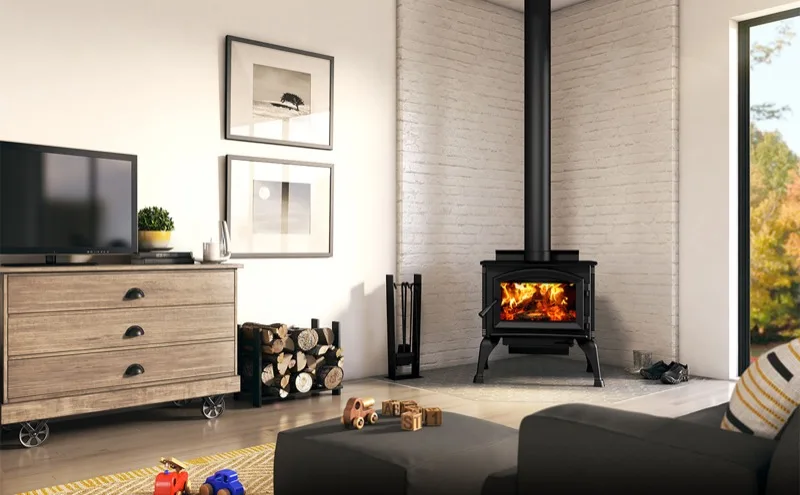 Enerzone
Solution 1.7
Small enough for a single room without cooking you out of it
$
Stove
See this model →
Enerzone
Solution 1.7
Small enough for a single room without cooking you out of it
$
Stove
See this model →
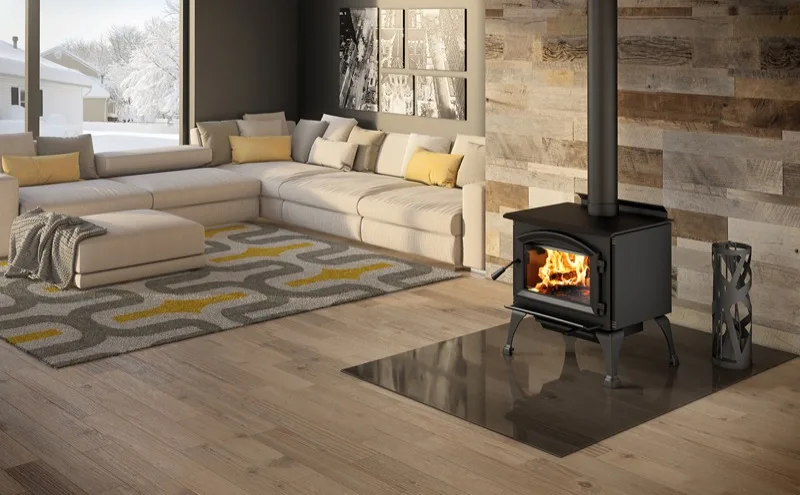 Enerzone
Solution 2.3
The size most Utah households actually want
$
Stove
See this model →
Enerzone
Solution 2.3
The size most Utah households actually want
$
Stove
See this model →
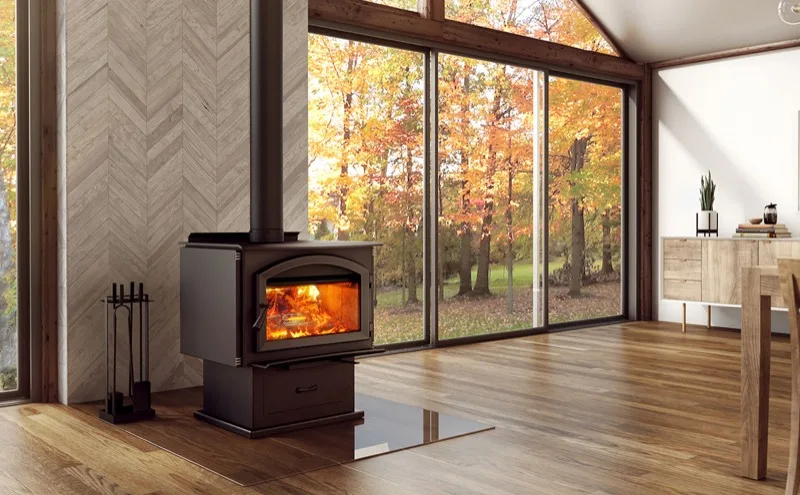 Enerzone
Solution 3.5
The one to pick if the power going out is not hypothetical
$$$
Stove
See this model →
Enerzone
Solution 3.5
The one to pick if the power going out is not hypothetical
$$$
Stove
See this model →
Three of 7. Everything else in this category is in the configurator further up the page.