
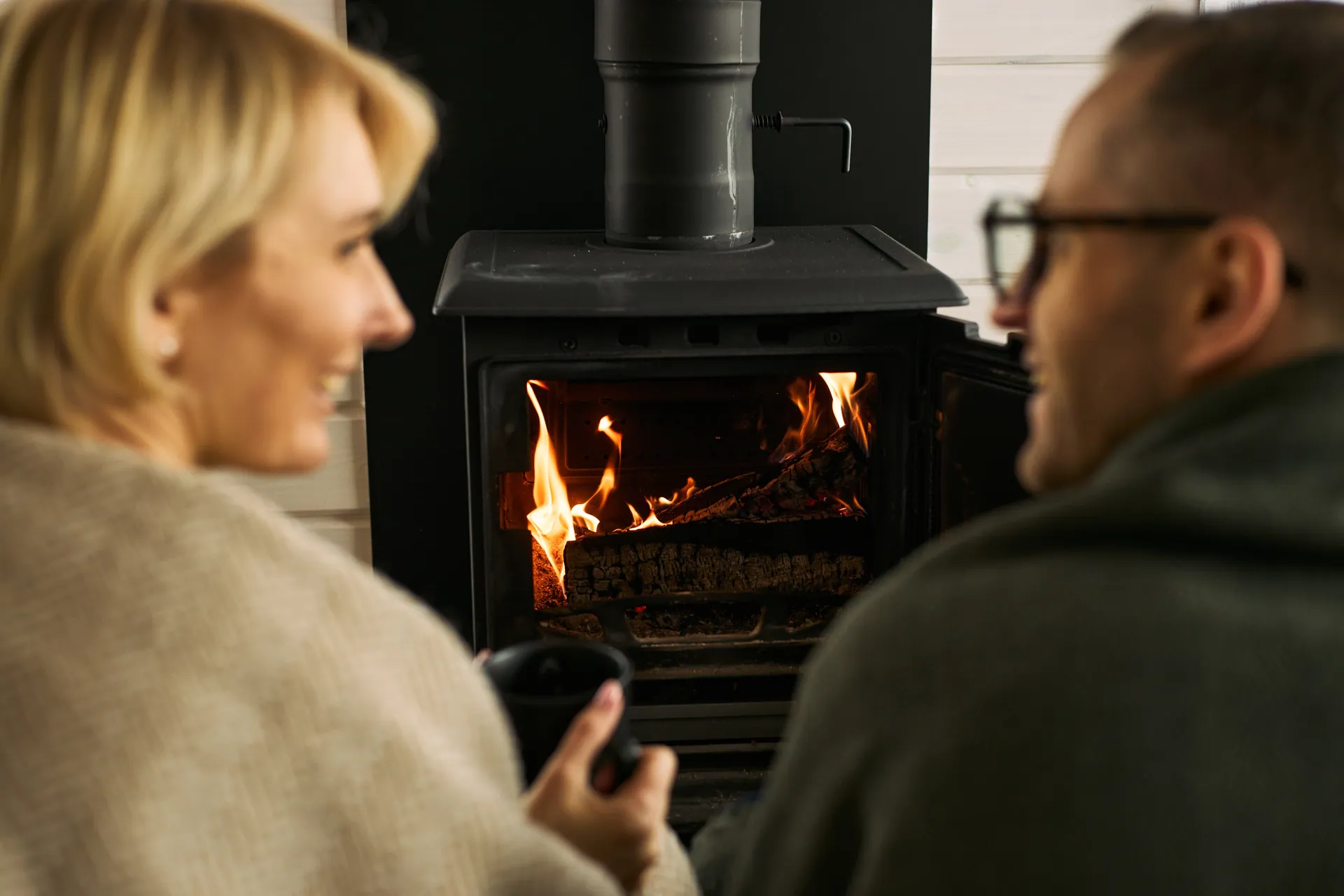
Indoor · gas
Gas Stoves in Utah
The look of a freestanding stove with none of the loading, ash or cold starts—out in the room, on legs, lit with a switch.
The product browser didn't load
It's a third-party tool and it isn't responding right now. Everything it shows is also on this page—keep scrolling for the full list, or go straight to your local shop, who can walk the whole range with you.
In plain language
What You're Actually Looking At
A gas stove stands in the room rather than sitting inside a wall, so it radiates from every side. It vents through a sealed pipe like any direct-vent appliance, which means it can go where a masonry chimney never did.
It suits a room with floor space and no fireplace, and a cabin on propane where a standing pilot will light with the power out. Above about 4,500 feet it needs the same high-altitude orifice conversion as any gas appliance.
Questions buyers ask
About Gas Stoves
How much does this cost installed?
For a typical project covering the unit, the venting, and a straightforward install, plan on roughly $4,700 to $6,600. Once finish work, a gas line, and electrical are in, a complete installation more often lands between $6,000 and $14,400. On a remodel or new build, a useful rule is about 2.5% of the total project budget. Whatever number you're given, make sure it covers the whole scope—unit, vent, gas line, electrical, finish work, and the permit.
How do I know what size I need?
Think in square footage rather than BTUs. More output isn't better—there's nothing worse than spending five figures on a fireplace you can't run because it cooks you out of the room. Tell the shop the room size, whether this is primary or backup heat, and whether you want to burn overnight. Those three answers get you the right unit faster than any spec sheet.
Can I put a TV above it?
Often, but ask before you commit. Heat rises and TVs don't like heat. A mantel blocks a lot of it, and some units are built specifically to manage the wall above—keeping it barely warm while still putting full heat into the room. If there's a TV, artwork, or small hands going on that wall, raise it at the showroom rather than after the tile is set.
Can I install it myself?
If you're putting fire in your house on purpose, work with someone who does it for a living. Between framing, gas line, vent pipe, and the code on clearances to combustibles, this isn't a weekend project. The advantage of this network is that the shop selling it is the one installing it, so warranty, service, and responsibility all sit in one place.
Do I need a permit?
Yes. Inside city limits it goes through the city building division and unincorporated areas go through the county, and gas piping has to be done by a licensed gas-fitter. Every shop here pulls the permit, coordinates the hookup, and handles the final inspection as one job.
How it works
Here's How to Find the Perfect Fireplace
- 01
Browse the Products
Answer a few questions about your room and see the units that actually fit it.
Browse fireplaces → - 02
Find Your Local Dealer
Enter your zip code and meet the shop that serves your neighborhood. One shop, not a bidding pile.
Find your dealer → - 03
Book an Appointment
Showroom visit or in-home. They handle the permit, the venting, and the install.
Book an appointment →
Find the Shop That Carries This
Enter your zip code and meet the showroom nearest you.
Worth a look
Three Models to Check Out
Chosen from what these shops actually stock and install. Every one opens its own page.
 Napoleon
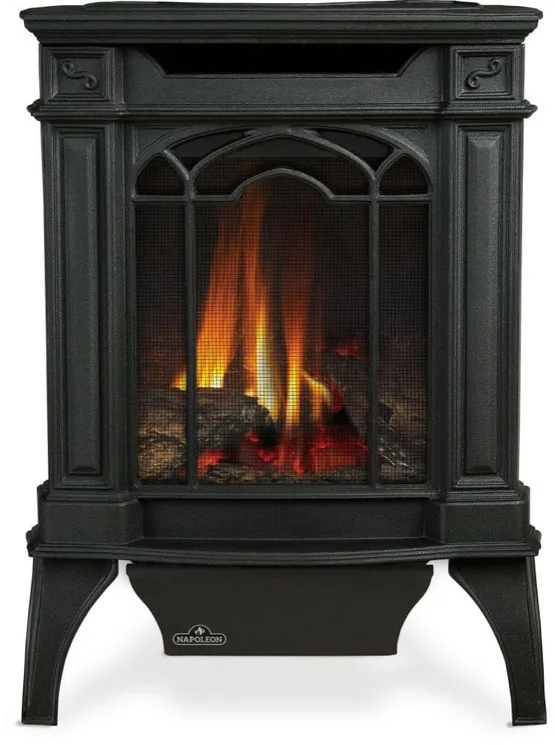
Arlington
A compact stove for a room with floor space and no fireplace
$$
Stove
See this model →
Napoleon
Arlington
A compact stove for a room with floor space and no fireplace
$$
Stove
See this model →
 Napoleon
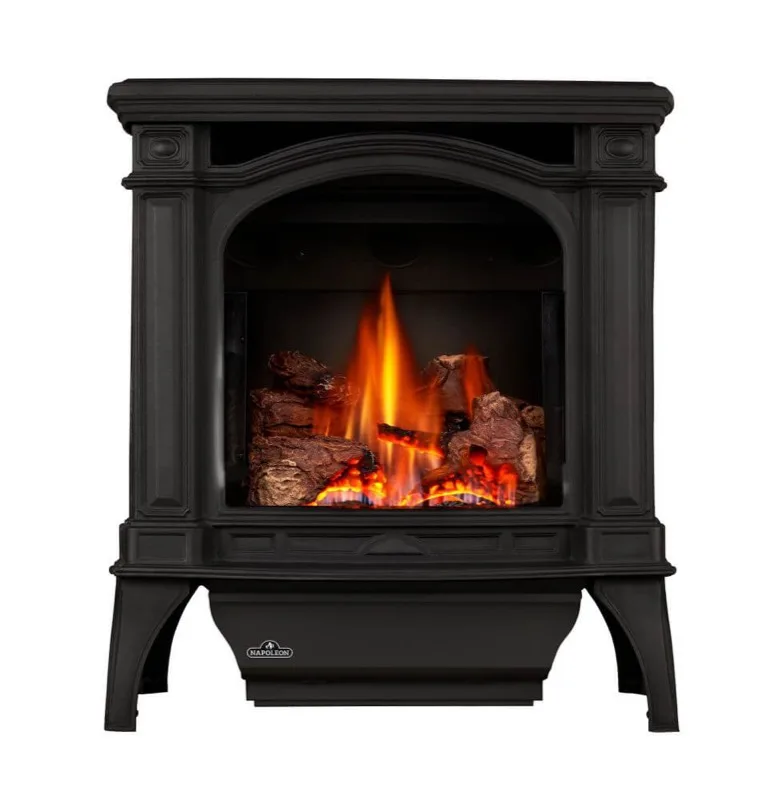
Bayfield
The step up, and the one that looks most like a wood stove
$$$
Stove
See this model →
Napoleon
Bayfield
The step up, and the one that looks most like a wood stove
$$$
Stove
See this model →
 Napoleon
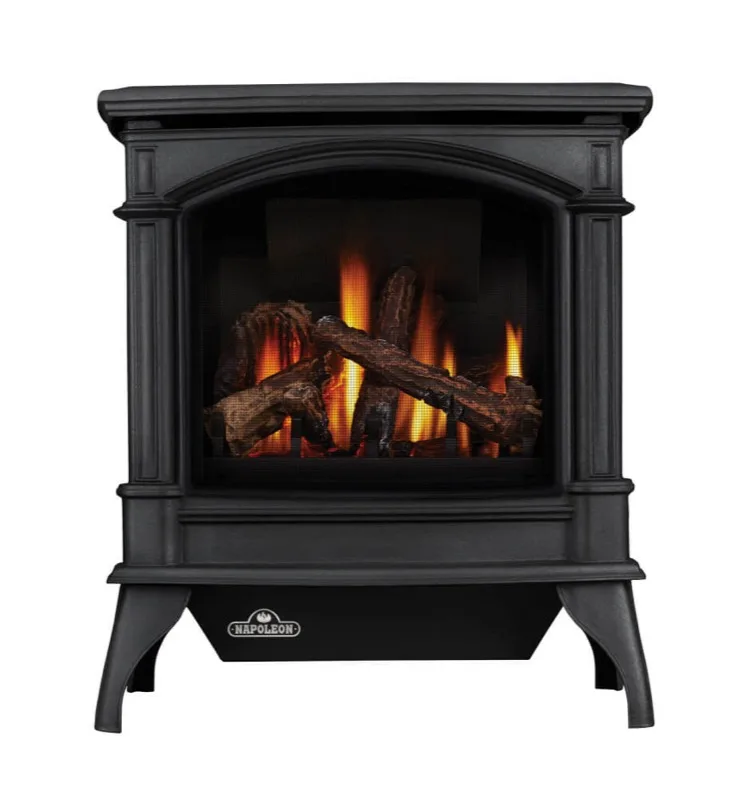
Knightsbridge
The largest of the three, when the stove is doing real heating
$$$
Stove
See this model →
Napoleon
Knightsbridge
The largest of the three, when the stove is doing real heating
$$$
Stove
See this model →
Three of 7. Everything else in this category is in the configurator further up the page.