
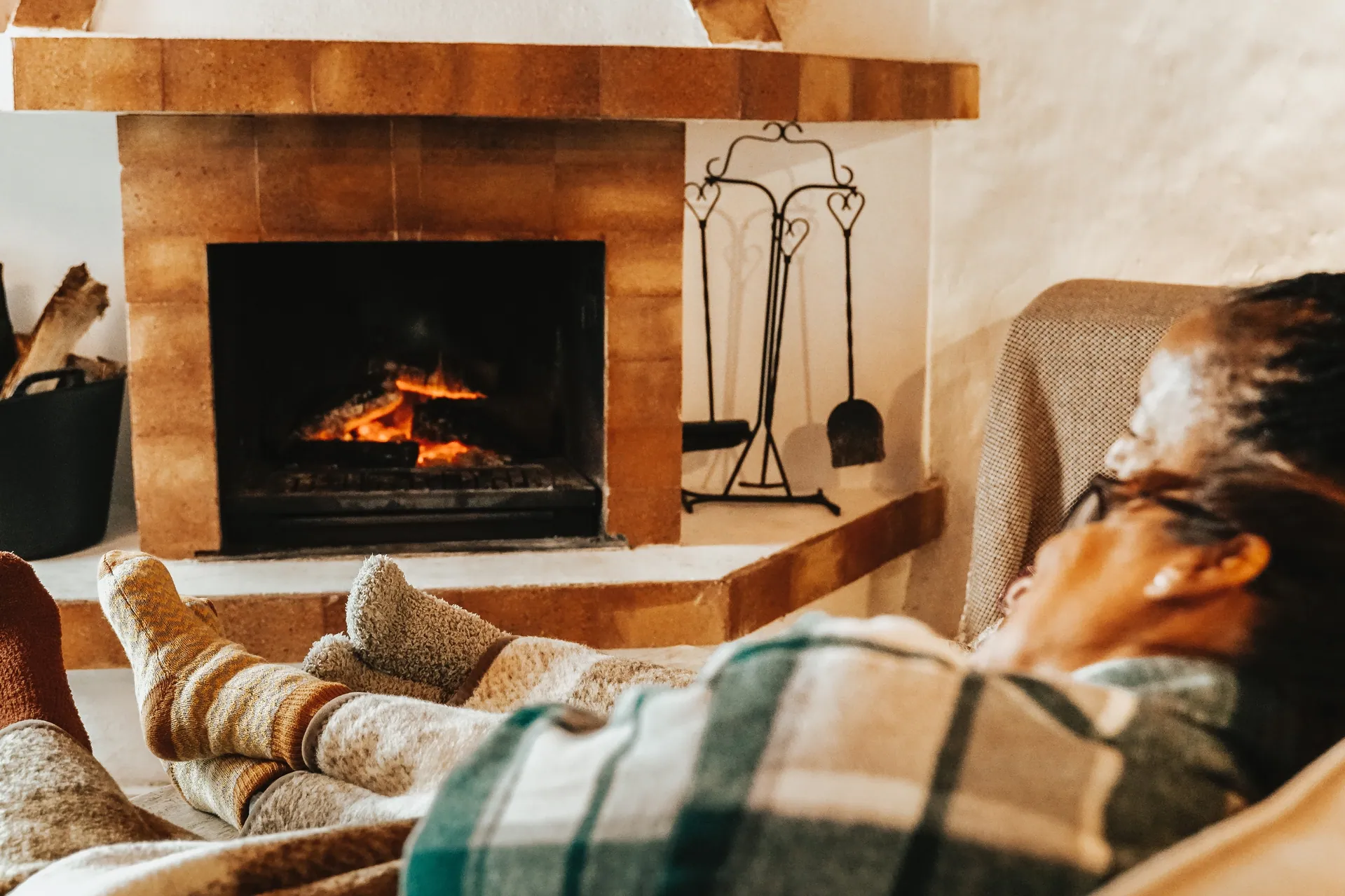
Indoor · the masonry option
A Real Masonry Firebox, Without the Mason
Pre-cast refractory components that arrive on a pallet and go together on site. It burns wood like a site-built masonry fireplace because it essentially is one—it just skips the footing, the bricklayer, and the months.
What it actually is
Somewhere Between Two Old Answers
The short answer
A modular masonry fireplace arrives as a set of pre-cast refractory pieces—floor, walls, throat, smoke chamber—that a crew assembles on site in a day or two. What you end up with is a genuine masonry firebox that soaks up heat and gives it back for hours, with an opening deep enough to burn real logs, but without the footing, the bricklayer, or the months a site-built fireplace takes. Stone Age is the line these shops use.
For most of the last century you had two ways to put a wood fire in a house. A mason built you a firebox out of brick and block, which took weeks, needed a footing poured under it, and cost accordingly. Or you bought a metal zero-clearance unit, which went in fast and cheap and always looked a little like what it was.
Modular masonry is the third answer. The firebox arrives as a set of pre-cast refractory pieces—floor, walls, throat, smoke chamber—and a crew assembles them on site in a day or two. What you end up with is a genuine masonry firebox: heavy refractory that soaks up heat and gives it back for hours after the fire dies, and an opening deep enough to burn real logs properly.
The difference is what it weighs and what it costs. A modular system is light enough that most installs don't need the foundation a full masonry chimney demands, and you're paying for a kit and two days of labor rather than a mason's month.
Where it makes sense
- You want wood, genuinely. Not the look of it—the smell, the sound, the heat that stays in the room.
- A big opening matters. These go wider and deeper than most metal fireboxes.
- The finish is the point. Stone, brick, stucco or tile brought right up to the opening, with nothing metal showing.
- Outdoors. The same systems build outdoor fireplaces, which is where a lot of Utah demand for them sits.
Where it doesn't
If you want heat you can turn on from the couch on a Tuesday, this isn't it—that's a gas or electric conversation. And along the Wasatch Front, a wood-burning firebox can't be run on a mandatory action day, which is worth understanding before you build one in.
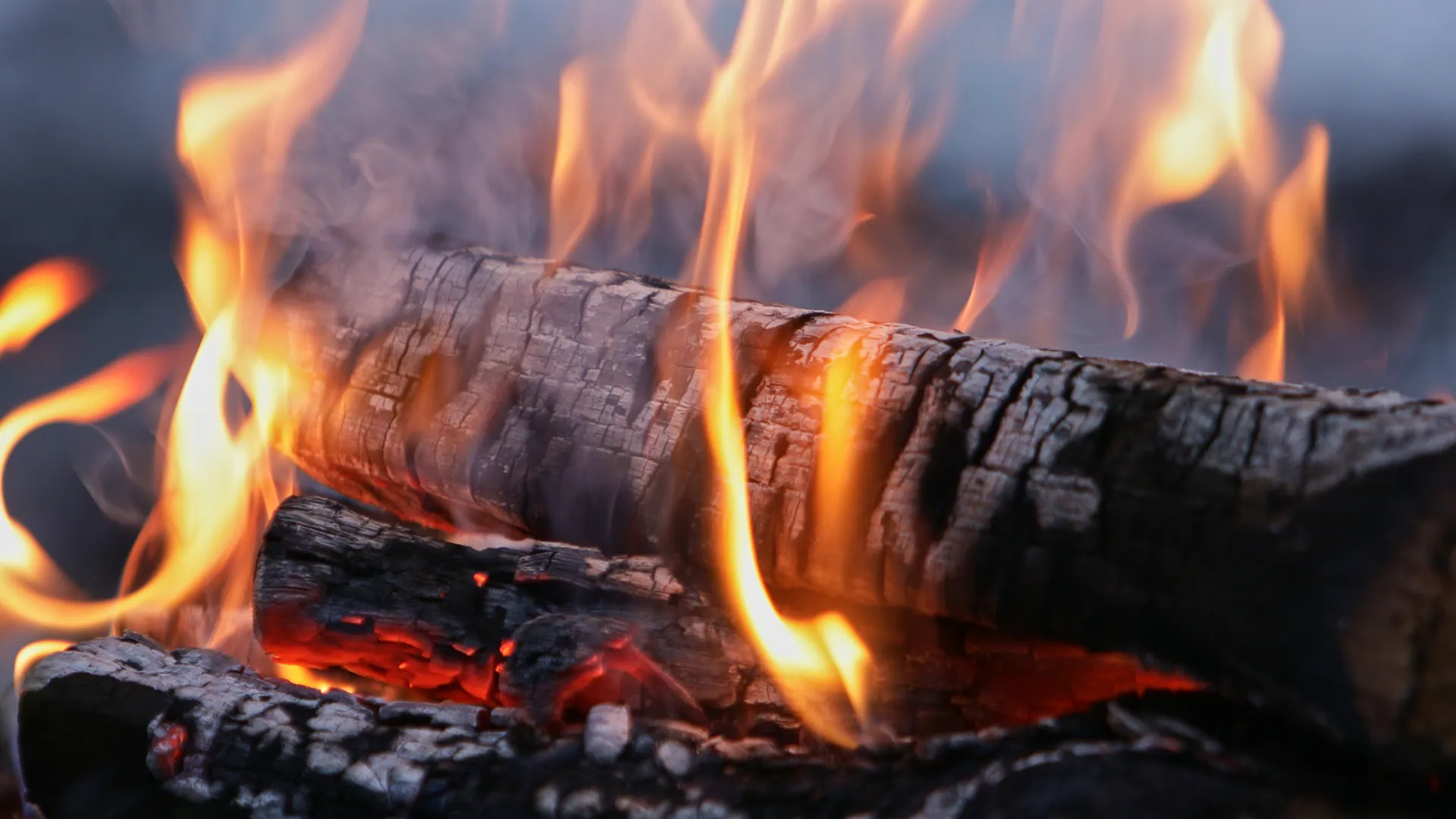
Refractory, not sheet metal. You can feel the difference an hour after the fire's out.
How a project runs
Four Things That Decide It
None of these are visible in a photograph, and all four come up on the first visit.
Where the flue goes
A masonry firebox needs a chimney above it. On a remodel the route matters more than the firebox does, and it's the first thing a shop will look at.
What's under it
Lighter than full masonry, but not light. Whether the floor takes it without work depends on the framing and the span—a real question on a second storey.
Who sets the veneer
The kit is one trade, the stone or brick is another. The shops here coordinate that rather than handing you two numbers and a shrug.
Your jurisdiction
Solid-fuel appliances face different rules county to county along the corridor. The permit and the burn rules are local, and so is the shop.
Utah specifics
Altitude, Air, and What Gets Approved
The three things that change this answer here, none of which appear in a manufacturer's brochure.
Draft behaves differently at elevation. Thinner air means less oxygen through the same opening, and a chimney that would draw cleanly at sea level can be sluggish at 6,000 feet—which is a height-and-sizing conversation, not a product one.
Air quality is the bigger constraint. From roughly November to March the Wasatch Front runs mandatory action days when solid-fuel burning is restricted, and the rules vary by county. A wood firebox is still a good decision for plenty of Utah homes—particularly in the mountain towns and outside the inversion basin—but it should be a decision made with that calendar in front of you.
Which is most of why these shops will ask what the fire is for before they ask what you like the look of.
These systems are supplied through the network rather than sold as a catalogue line, so there are no model pages here—the specification is set per project.
The difference
Modular Masonry, Full Masonry, or Zero-Clearance
For a century there were two answers and they were both compromises. This is the third, and the table is the whole argument.
| Modular masonry | Metal zero-clearance | |
|---|---|---|
| What the firebox is | Pre-cast refractory—real masonry | Steel and firebrick panels |
| Build time | A day or two on site | Hours |
| Needs a footing | Usually not—light enough to skip it | No |
| Heat after the fire dies | Hours, from the mass | Very little |
| Firebox depth | Deep enough for real logs | Shallower by design |
| How it reads | Built | Installed |
| Against full site-built masonry | A kit and two days of labour | Not comparable—different product |
Fair questions
About Modular Masonry
Is modular masonry a real wood-burning fireplace?
Yes. The firebox is refractory masonry, the same material a mason would build with, cast into components instead of laid by hand. It burns cordwood, it holds heat the way masonry does, and it behaves like a masonry fireplace because in every way that matters it is one.
How is it different from a metal zero-clearance fireplace?
Mass, mostly. A steel firebox heats the room while the fire burns and stops shortly after it goes out. Refractory soaks up heat and keeps giving it back for hours. The openings tend to be larger too, and the finish comes right up to the firebox with no metal face showing—which is the look people are usually after when they ask about masonry in the first place.
Does it need a foundation like a real masonry chimney?
Usually not, and that's much of the appeal. A modular system weighs a fraction of a site-built masonry fireplace and chimney, so many installs go in without the footing that full masonry demands. Whether your particular floor takes it depends on the framing and the span—that's a site visit question, not a brochure question.
Can it burn gas instead?
Many can take a gas log set, and plenty of Utah homeowners build the masonry opening and then run gas logs in it—masonry look, gas convenience, and it stays usable on a red air day. Say so early, because it changes the specification.
Can you use it outside?
Yes, and a good share of the modular masonry in Utah is outdoor. The same component approach builds an outdoor fireplace for a patio, and the shops here handle both sides of the house.
Why are there no model pages for this?
Because it isn't bought like a catalogue product. A modular masonry fireplace is specified per project—opening size, throat, chimney height, finish—so the useful conversation is with the shop that will build it rather than with a spec sheet on a screen.
The other half
Building one outside instead? The same component system builds patio fireplaces, and a good share of Utah demand for modular masonry is outdoor.
Talk to Someone Who's Built One
Enter your zip code and meet the shop that covers your street.