
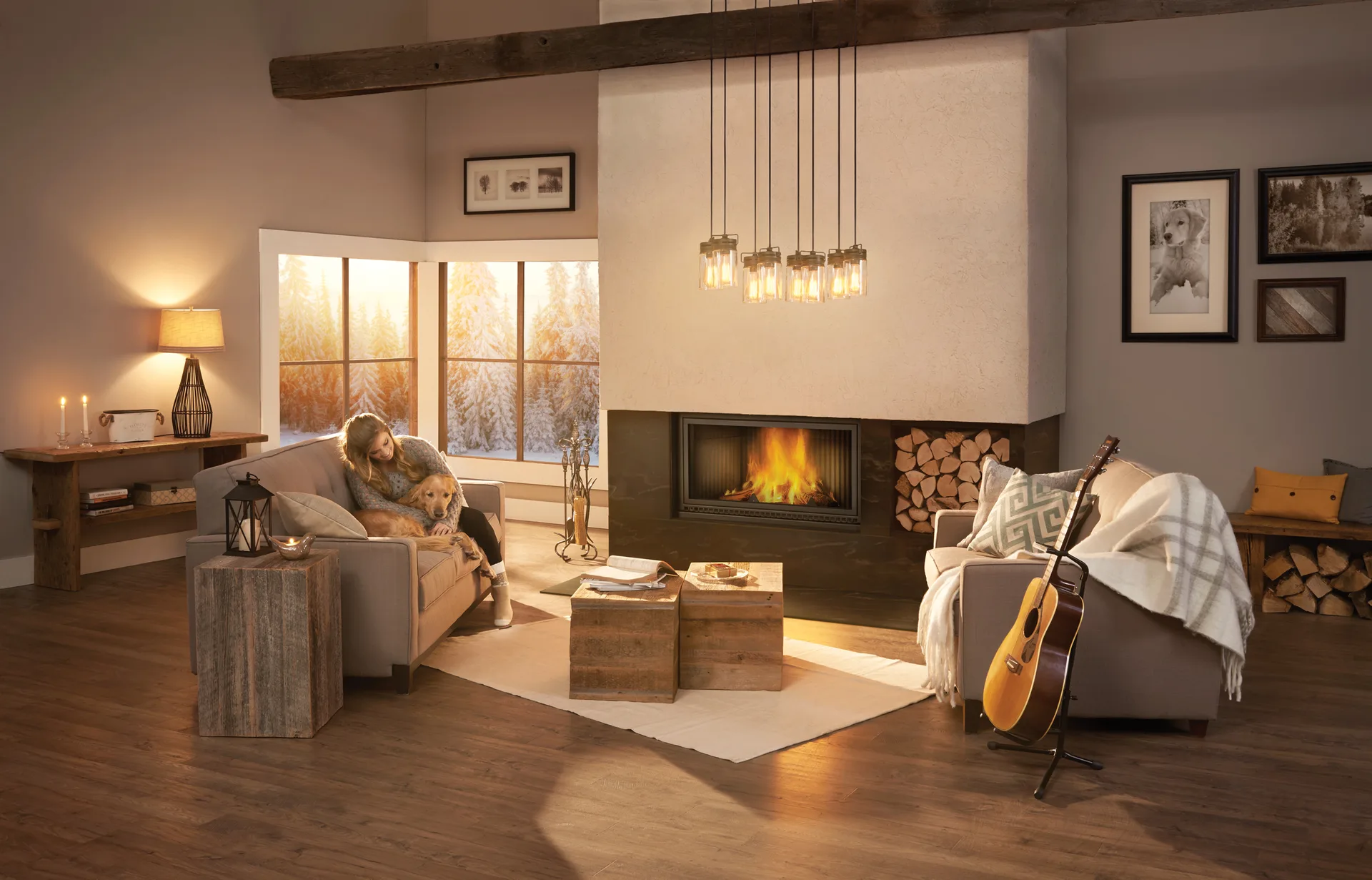
Indoor · the winter half
The Room You Actually Use in January
Gas, wood, and electric—fireplaces, inserts, stoves, log sets, and modular masonry. Everything that goes inside the house, carried by shops that install their own work.
Orientation
The short answer
Everything that goes inside the house: gas fireplaces and inserts, wood fireplaces, inserts and stoves, electric, gas logs, and modular masonry. Which category you need is decided by your building before taste gets a vote—an existing masonry opening points at an insert or a log set, a framed wall points at a zero-clearance unit, open floor space points at a stove, and no route for a vent points at electric.
Explore indoor products
Every Indoor Category
Napoleon leads nearly every one of these; the rest of the line-up fills what it doesn't cover.
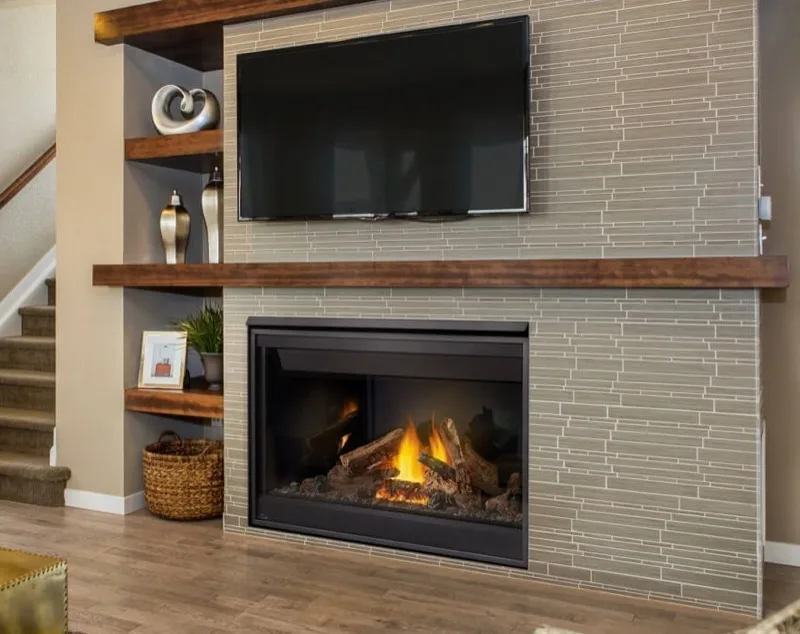 Gas Fireplaces
The default here, and for good reason: gas is inexpensive, it reaches nearly every populated part of the state, and it runs on any air quality day.
181 lead models →
Gas Fireplaces
The default here, and for good reason: gas is inexpensive, it reaches nearly every populated part of the state, and it runs on any air quality day.
181 lead models →
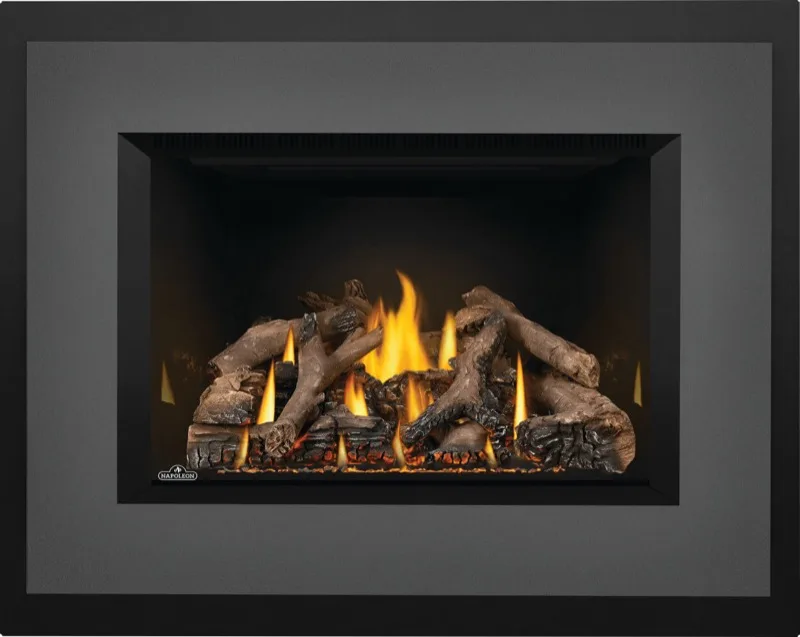 Gas Inserts
For a masonry fireplace that sends more heat up the chimney than into the room. An insert seals the flue and turns the hole in your house into a heater.
9 lead models →
Gas Inserts
For a masonry fireplace that sends more heat up the chimney than into the room. An insert seals the flue and turns the hole in your house into a heater.
9 lead models →
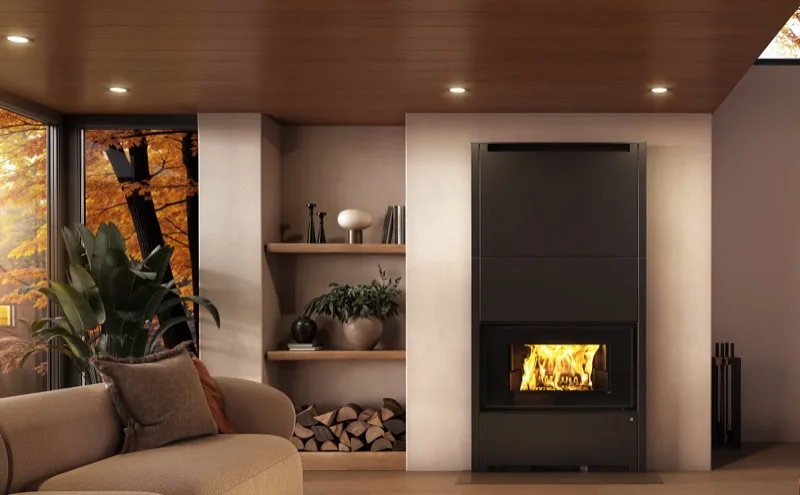 Wood Fireplaces
Open-hearth wood, for the rooms that want the biggest fire in the house—and for homes where the power going out isn't hypothetical.
18 lead models →
Wood Fireplaces
Open-hearth wood, for the rooms that want the biggest fire in the house—and for homes where the power going out isn't hypothetical.
18 lead models →
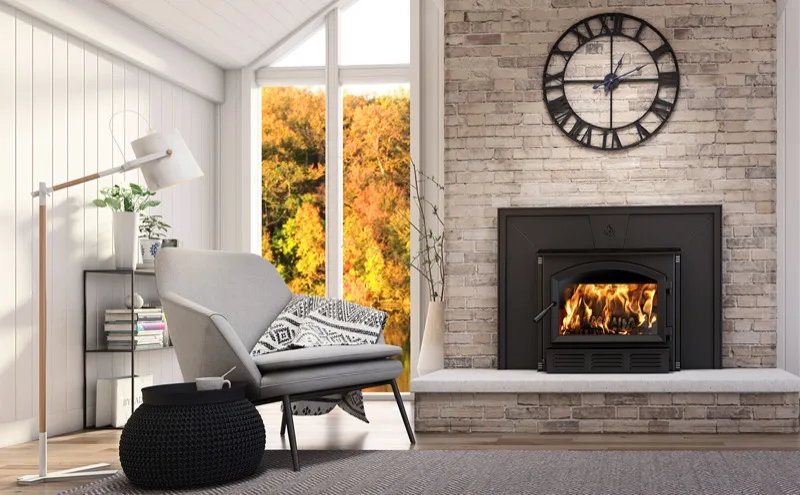 Wood Inserts
For the masonry fireplace you already have. An insert seals the flue, and the same hole that was losing you heat starts making it.
6 lead models →
Wood Inserts
For the masonry fireplace you already have. An insert seals the flue, and the same hole that was losing you heat starts making it.
6 lead models →
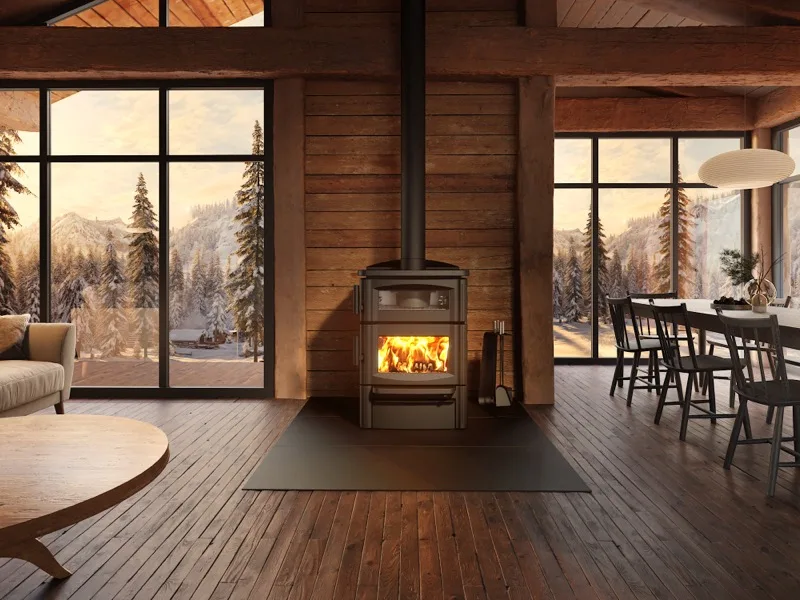 Wood Stoves
The most heat you can get out of wood, anywhere a vent can reach—and it does not care whether the grid is up.
7 lead models →
Wood Stoves
The most heat you can get out of wood, anywhere a vent can reach—and it does not care whether the grid is up.
7 lead models →
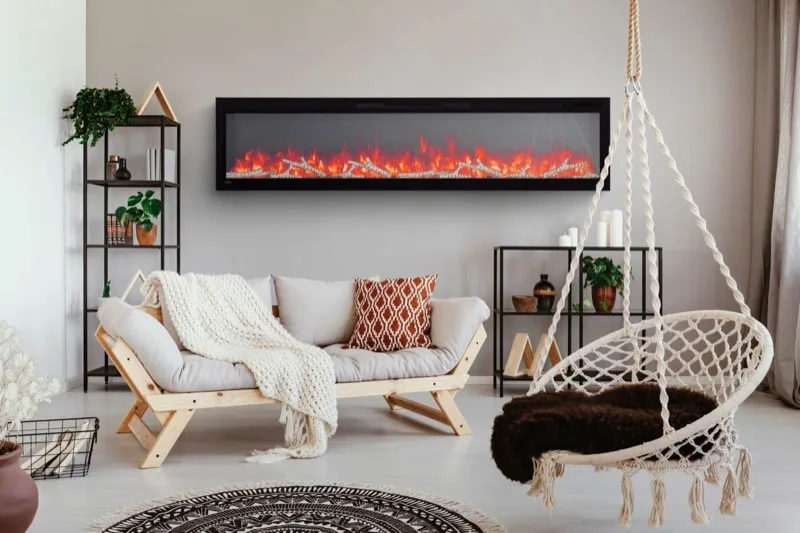 Electric Fireplaces
Flame anywhere a vent can't go—basements, condos, bedrooms, offices. No gas line, no venting, and it runs on a red air day.
89 lead models →
Electric Fireplaces
Flame anywhere a vent can't go—basements, condos, bedrooms, offices. No gas line, no venting, and it runs on a red air day.
89 lead models →
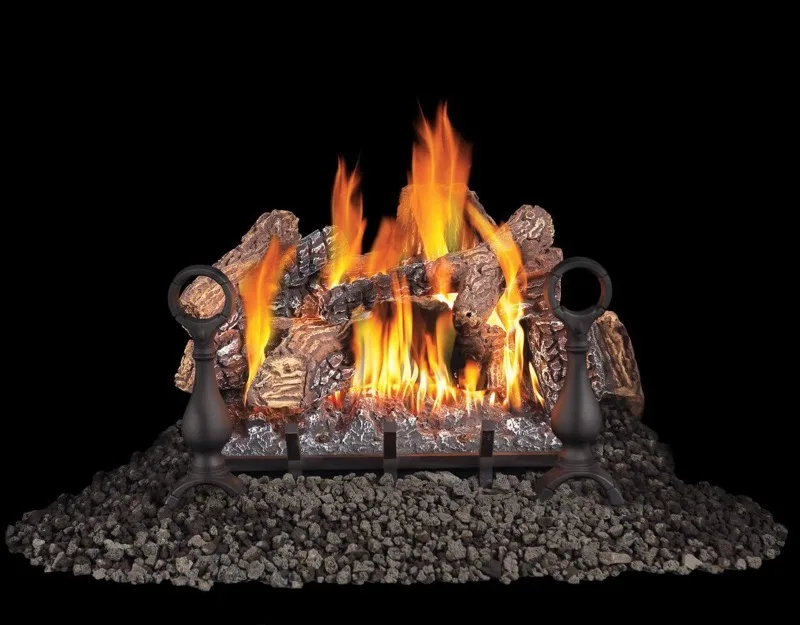 Gas Logs
For a masonry fireplace you want to actually use. Real-looking logs, a burner, and a safety pilot—which Utah requires.
2 lead models →
Gas Logs
For a masonry fireplace you want to actually use. Real-looking logs, a burner, and a safety pilot—which Utah requires.
2 lead models →
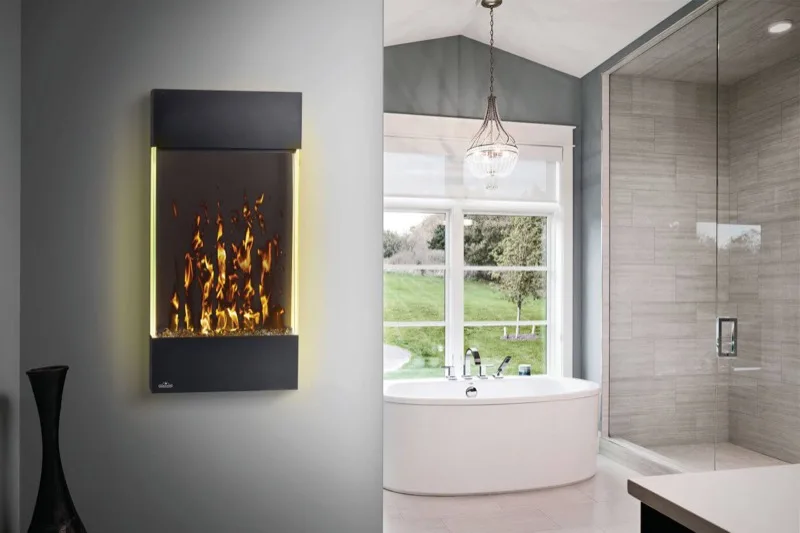 Electric Inserts
For a masonry fireplace with no gas line to it—an electric insert fills the opening, plugs in, and runs on any air-quality day.
10 lead models →
Electric Inserts
For a masonry fireplace with no gas line to it—an electric insert fills the opening, plugs in, and runs on any air-quality day.
10 lead models →
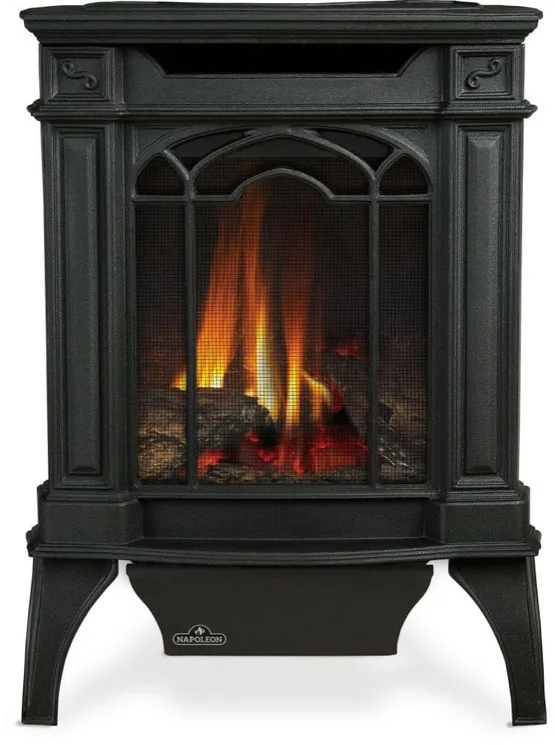 Gas Stoves
The look of a freestanding stove with none of the loading, ash or cold starts—out in the room, on legs, lit with a switch.
7 lead models →
Gas Stoves
The look of a freestanding stove with none of the loading, ash or cold starts—out in the room, on legs, lit with a switch.
7 lead models →
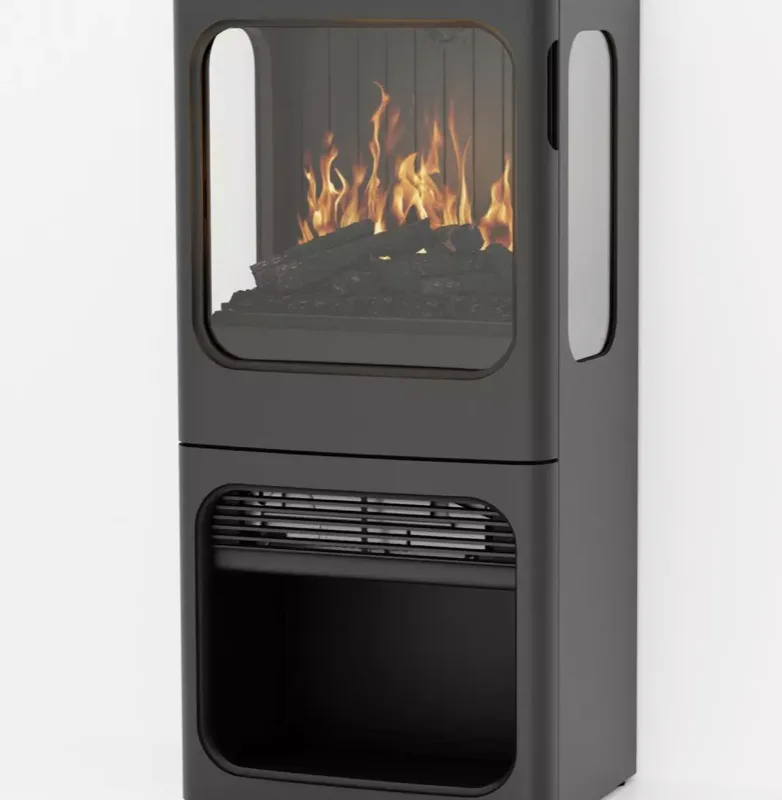 Electric Stoves
A freestanding stove that needs nothing but an outlet—no flue, no gas line, no permit. Set it down and plug it in.
1 lead model →
Modular Masonry
A real masonry firebox from pre-cast components—specified per project rather than picked off a shelf.
See how it works →
Electric Stoves
A freestanding stove that needs nothing but an outlet—no flue, no gas line, no permit. Set it down and plug it in.
1 lead model →
Modular Masonry
A real masonry firebox from pre-cast components—specified per project rather than picked off a shelf.
See how it works →
Start here
Your House Picks the Category
Start here to find the products that will work for your space.
- A framed wall, a remodel, or new construction Gas Fireplaces
- A masonry fireplace you want to heat from Gas Inserts, or Wood Inserts
- A masonry fireplace you just want usable Gas Logs
- Open floor space and the most heat available Wood Stoves
- No gas line and no route for a vent Electric Fireplaces
- The biggest fire in the house Wood Fireplaces, or Modular Masonry
The difference
Each Fuel Type, Side by Side
See which fuel type is right for you.
| Gas | Wood | |
|---|---|---|
| Share of what these shops install | About 80% | The rest, with electric |
| Running cost in Utah | Low—gas is cheap here | Higher, unless you cut your own |
| Red air day in the valleys | Runs | Restricted |
| Power cut | Runs with a standing pilot | Runs, always |
| Effort per fire | A switch | Loading, ash, a cold start |
| Needs a gas line | Yes | No |
| Where it Wins | Valleys, everyday use | Cabins, canyons, outages |
Local
What Decides This in Utah
Gas is the Default, and for Real Reasons
Roughly 80% of what this network installs runs on gas. Natural gas here is inexpensive and reaches nearly every populated part of the state, most homes already have a line, and a sealed gas appliance is legal to run on a red air day when solid fuel is restricted.
Elevation Changes the Answer Across 4,400 Feet of It
St. George sits at about 2,536 feet and rarely freezes hard; Park City is at 6,936 and holds snow into spring. A gas appliance above roughly 4,500 feet needs a different orifice. Those two houses need different fireplaces, which is why this site starts with where you live.
Inversion Season is Why Electric Grew
Through winter the Division of Air Quality restricts solid-fuel burning on action days along the Wasatch Front—in the middle of heating season. Sealed gas and electric are unaffected, and electric is now around 10% of this business and climbing, mostly because it goes in rooms that were never going to get a flue.
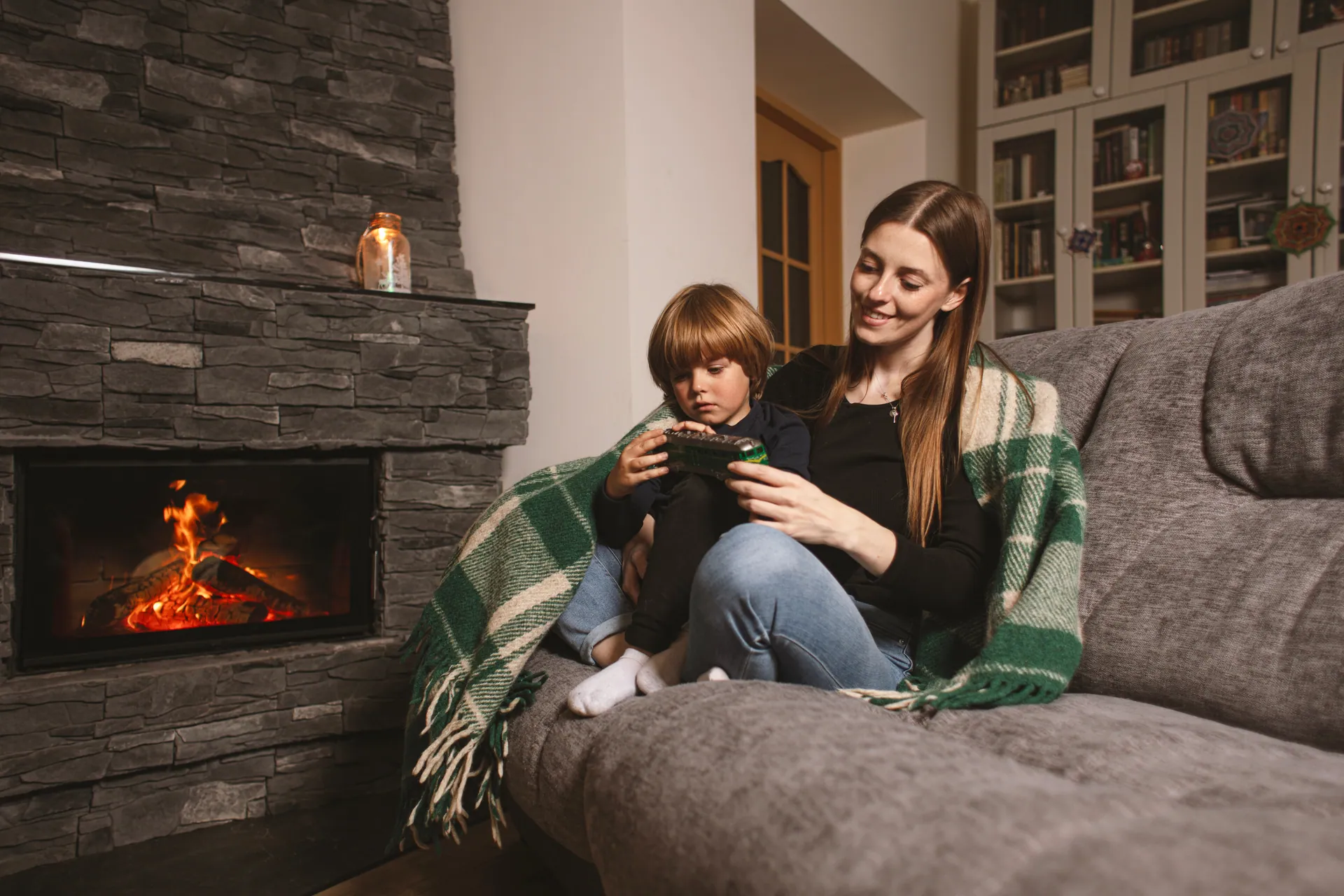
January. One room doing all the work.
Which one is your home?
Every Project Starts From One of These Five
Not from a product category. Find the one that looks like your room.
How it works
Here's How to Find the Perfect Fireplace
- 01
Browse the Products
Answer a few questions about your room and see the units that actually fit it.
Browse fireplaces → - 02
Find Your Local Dealer
Enter your zip code and meet the shop that serves your neighborhood. One shop, not a bidding pile.
Find your dealer → - 03
Book an Appointment
Showroom visit or in-home. They handle the permit, the venting, and the install.
Book an appointment →
Find the Shop That Carries It
Enter your zip code and meet the shop that serves your street.
Questions buyers ask
Questions Buyers Ask
What types of indoor fireplaces are there?
Six, and they are separated by where they go rather than by how they look: a zero-clearance fireplace built into a framed wall, an insert fitted into an existing masonry opening, a log set dropped into that same opening, a freestanding stove out in the room, an electric unit needing no vent at all, and a modular masonry firebox assembled on site and faced in stone.
How do I know which type my home needs?
Your house decides before you do. An existing masonry fireplace points at an insert or a log set. A framed wall, a remodel or a new build points at zero-clearance. Open floor space where you want the most heat points at a stove. No realistic route for a vent points at electric.
Which fuel is best for a Utah home?
For most valley homes, gas—it is cheap here, it reaches nearly everywhere, and it runs on the air-quality days when wood cannot. For a cabin or a canyon, wood, because it needs nothing from the grid. For a basement, a condo or a bedroom, electric, because it is the only one that can go there.
What is the difference between an insert and a zero-clearance fireplace?
An insert goes inside a masonry fireplace that already exists and seals it. A zero-clearance fireplace is engineered to build into a framed wall where there is no existing fireplace. If there is nothing to insert into, the answer is zero-clearance.
Which indoor fireplace gives the most heat?
A freestanding stove, because its whole body radiates into open air instead of sitting inside a wall that absorbs part of the output. After that, a sealed insert, then a built-in fireplace. An open-hearth wood fireplace and a vented gas log set are the two that look most impressive and heat least.
Can I have a fireplace without a chimney?
Yes, and most new installations do. A direct-vent gas appliance uses a sealed pipe that can run out a side wall or up through the roof—no masonry chimney involved. An electric unit needs no venting at all.
How much does an indoor fireplace cost in Utah?
For a built-in gas or wood appliance, roughly $4,700 to $6,600 for the unit, venting and a straightforward install, and $6,000 to $14,400 for a complete project once a gas line, electrical and finish work are in. A gas log set is a fraction of that; electric is usually the cheapest install of all.
Do all these shops install what they sell?
Every one of them, and it is the defining requirement for being in this network. It matters most after the job—the people who fitted the unit are the people who come back to service it, so warranty, parts and responsibility sit in one place.
Which indoor fireplace works in a power outage?
Wood, always—nothing about it needs electricity. Gas with a standing pilot will light and burn, though the fan will not run, so you get radiant rather than circulated heat. Electric does nothing at all without power.
Can I put a fireplace in a basement?
Often, and the constraint is the vent rather than the fireplace. If a sealed vent can reach outside, gas works and gives real heat. In a finished basement where routing one is unpleasant or impossible, electric is the honest answer and it is why that category has grown so fast here.